Traditional craftsmanship
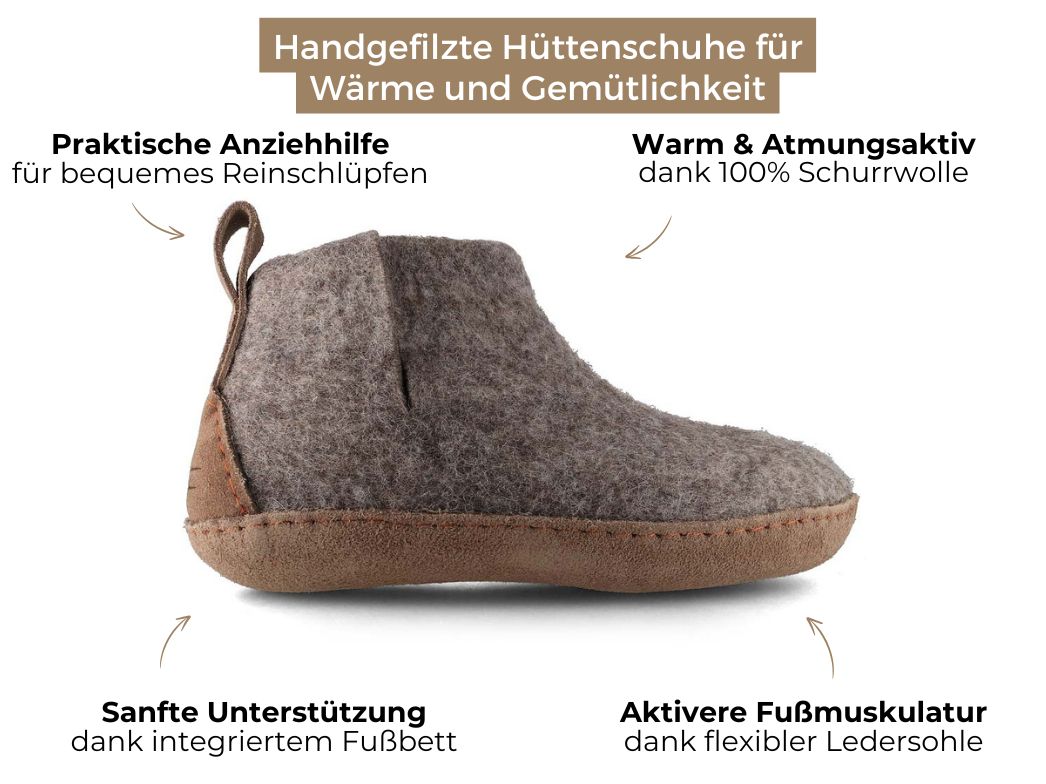
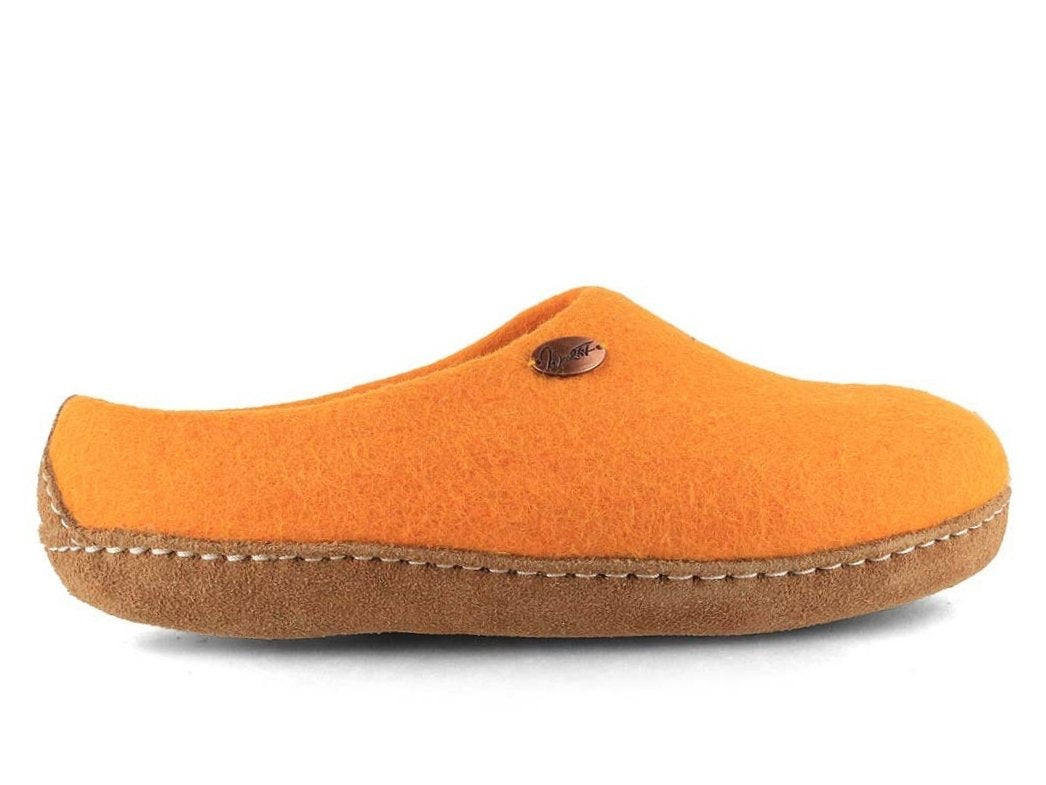
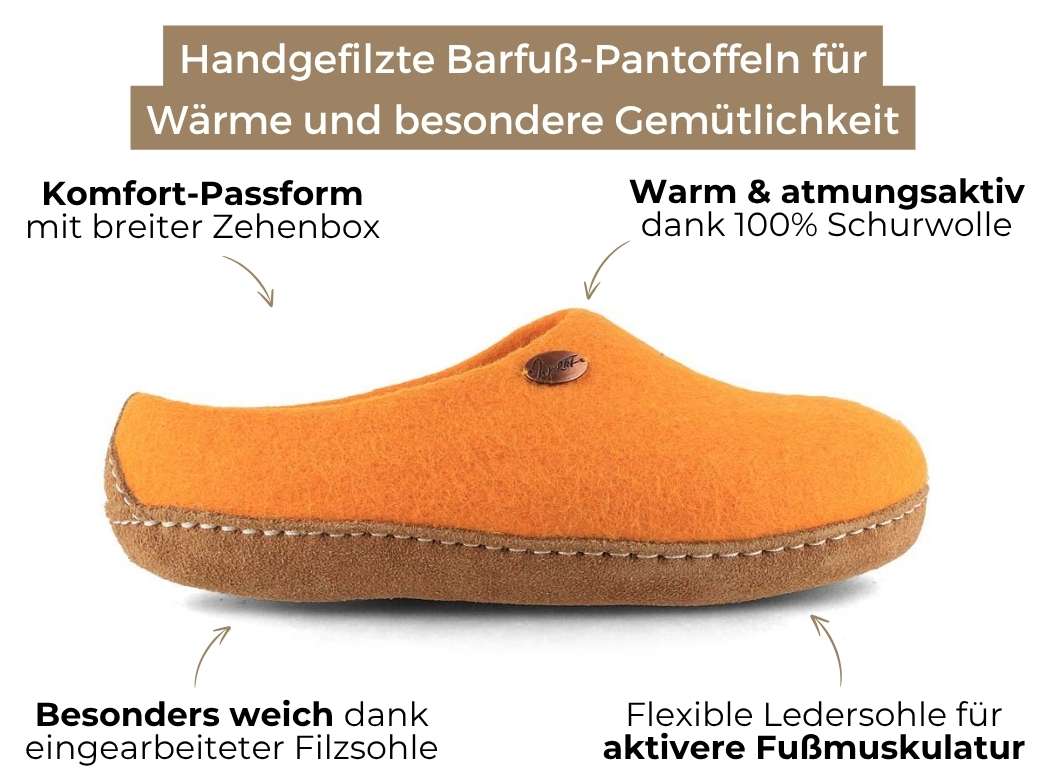
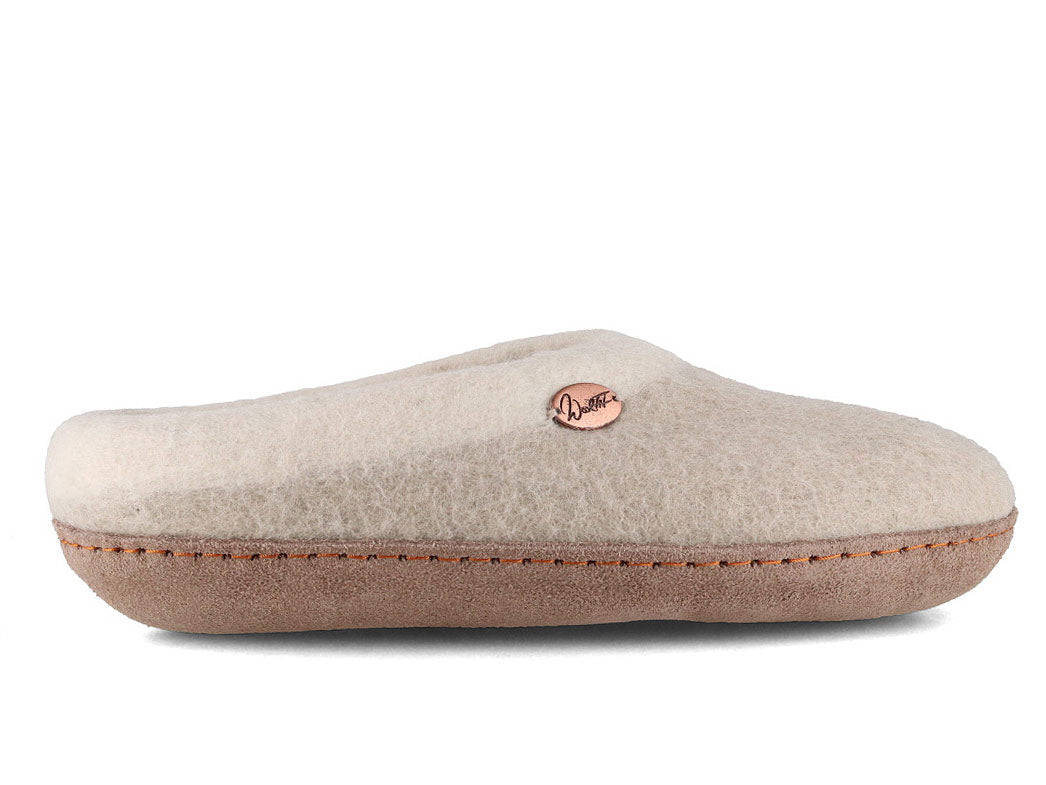
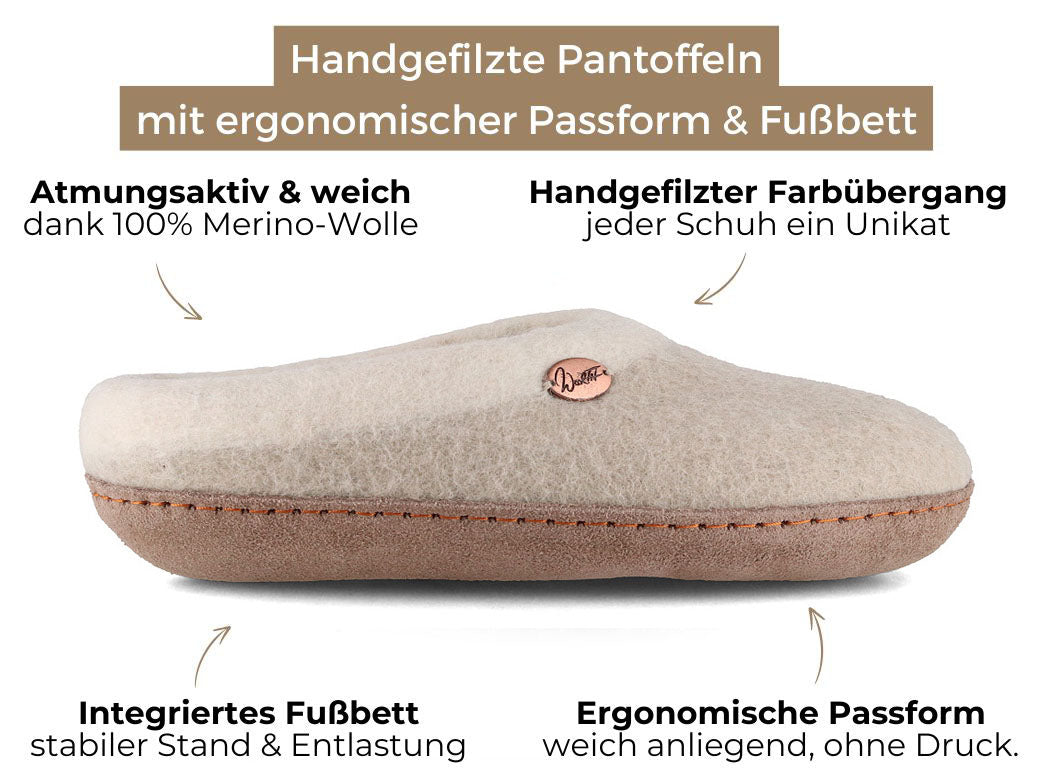
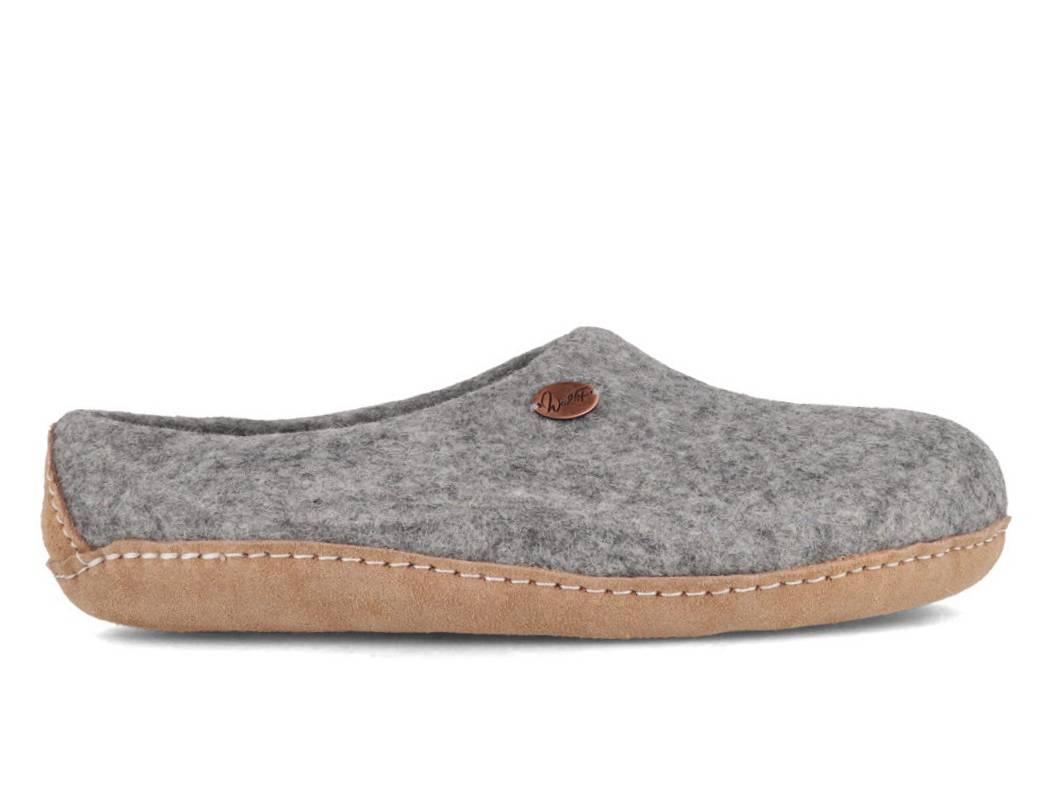
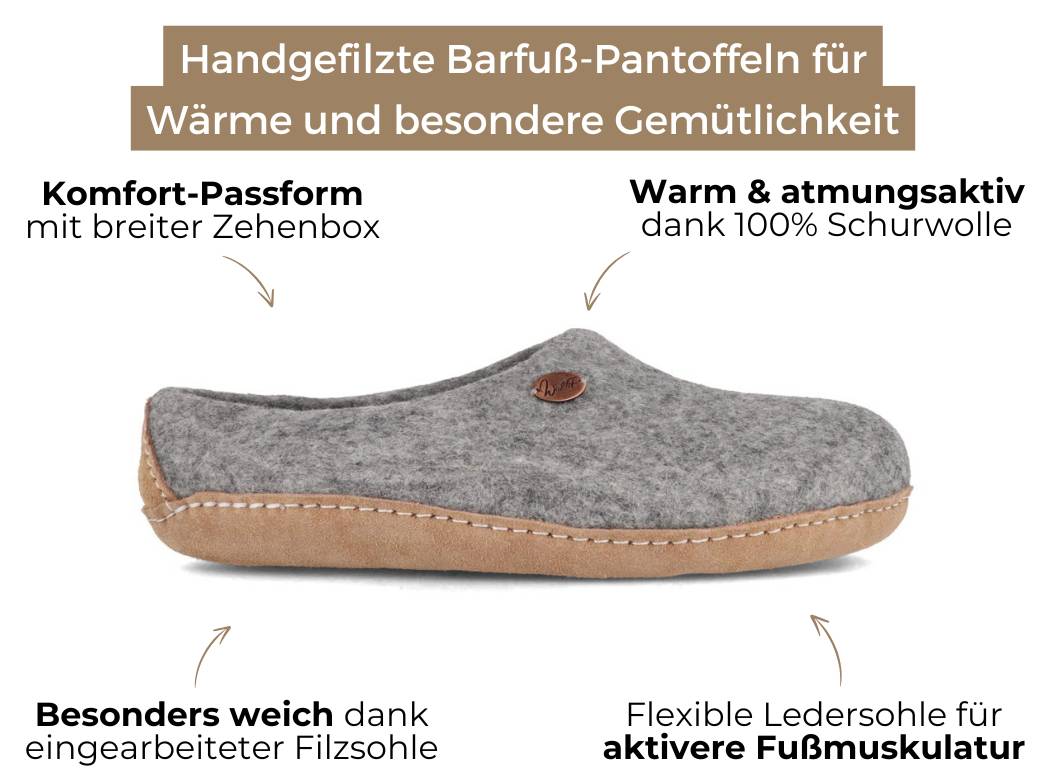
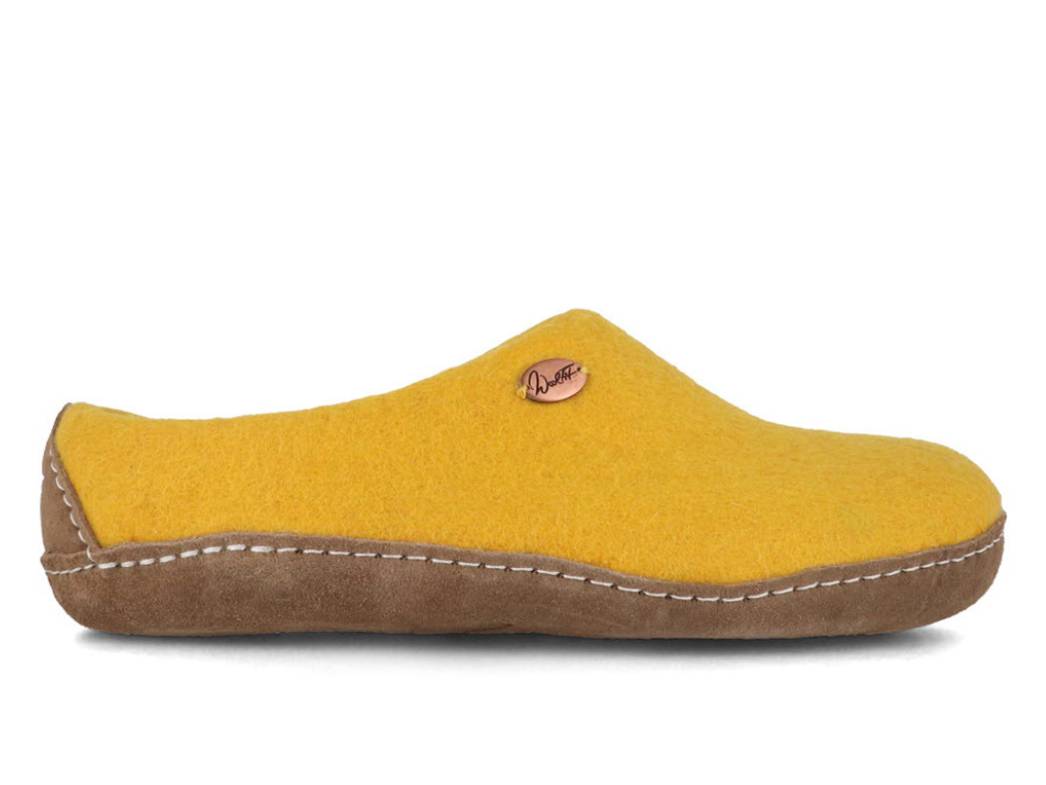
Each pair of our WoolFit slippers contains more than 6 hours of handcraft and centuries-old artisan techniques.
We would like to invite you on a journey through the production process of our manufactory in Kyrgyzstan.
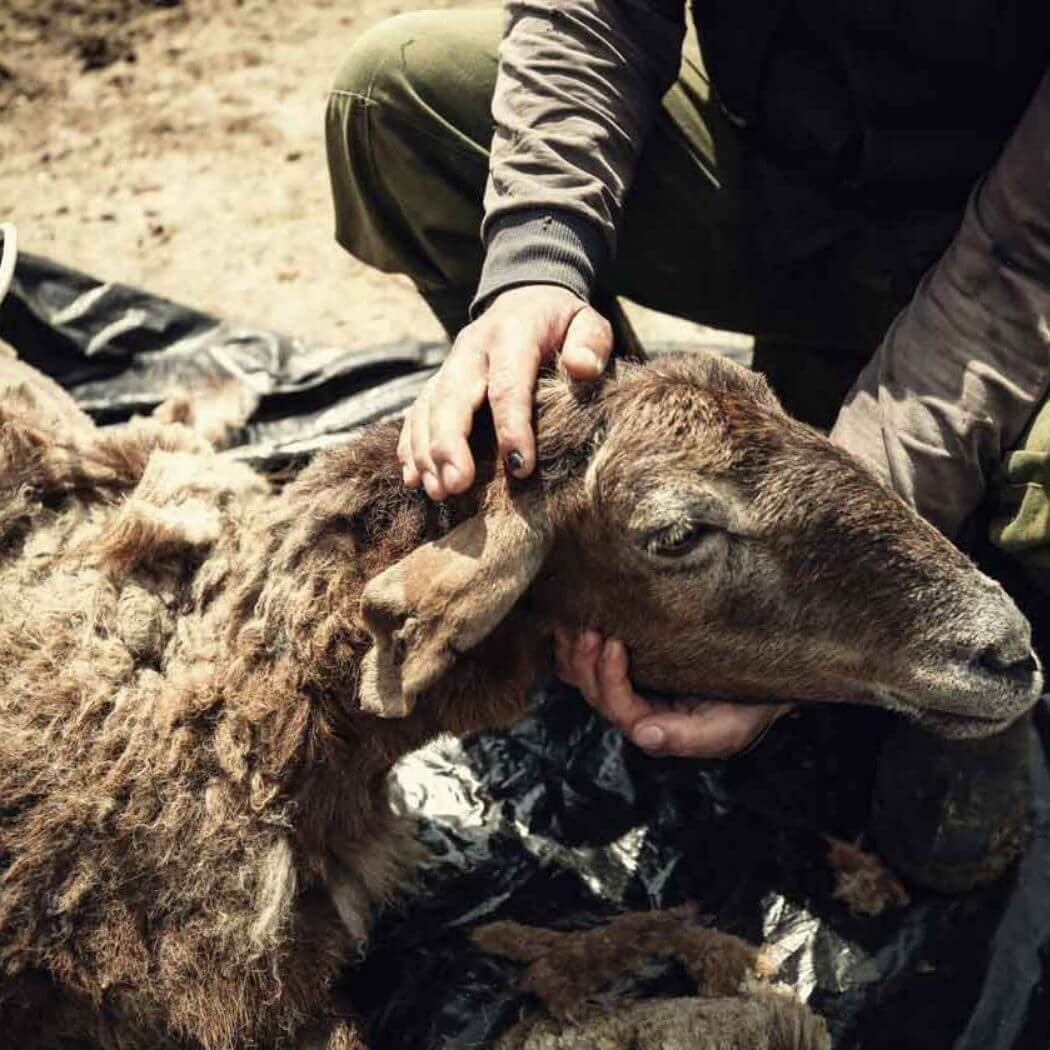
It begins with the sheep
As soon as a sheep needs a new haircut, the journey of our slippers begins. We use regional sheep's wool from shepherds who keep their sheep on natural pastures.
The wool for our slippers comes from Kyrgyzstan, at the foot of the Himalayas. There, sheep are still kept in a traditional and resource-saving way.
In addition, the wool is wonderfully soft, breathable and, thanks to the cold winters, also well-tested against cold.
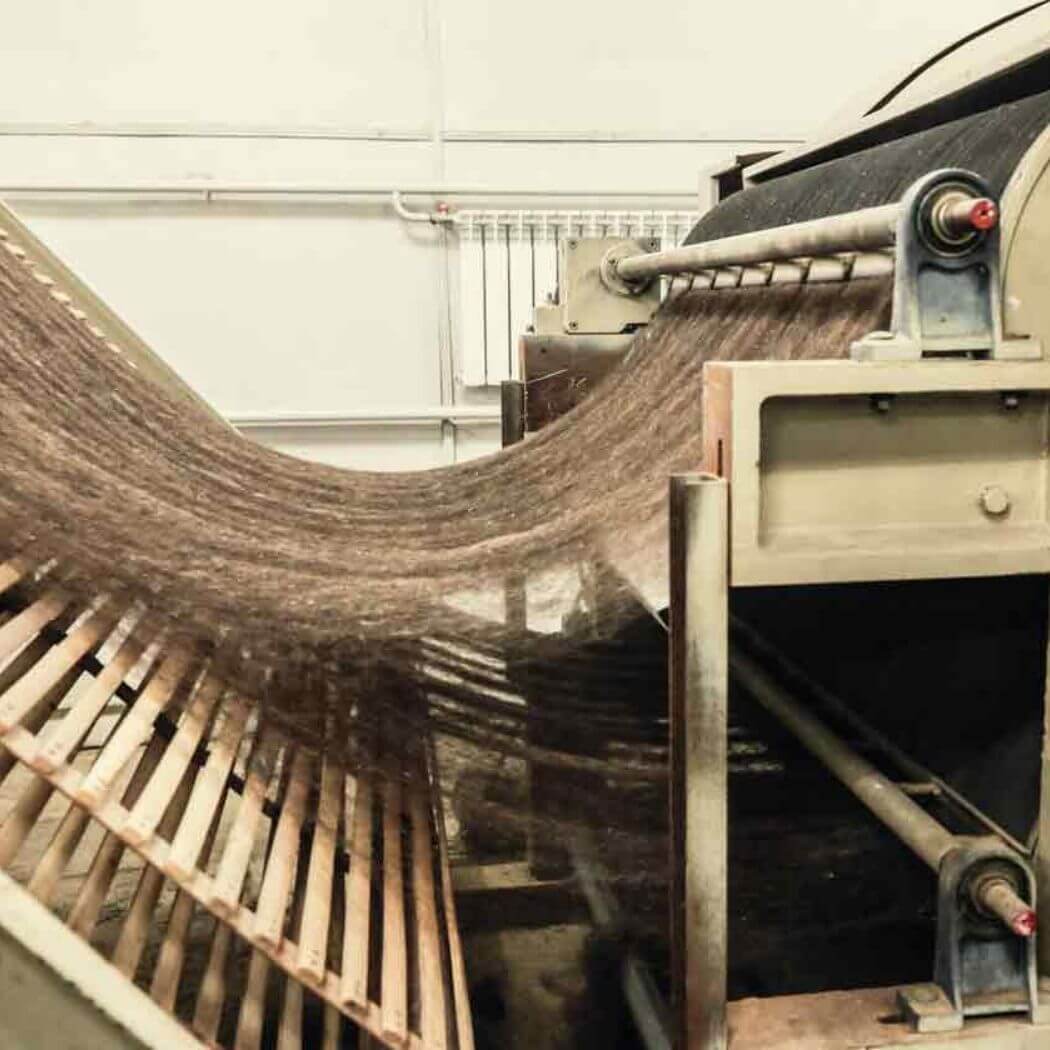
Carded raw wool
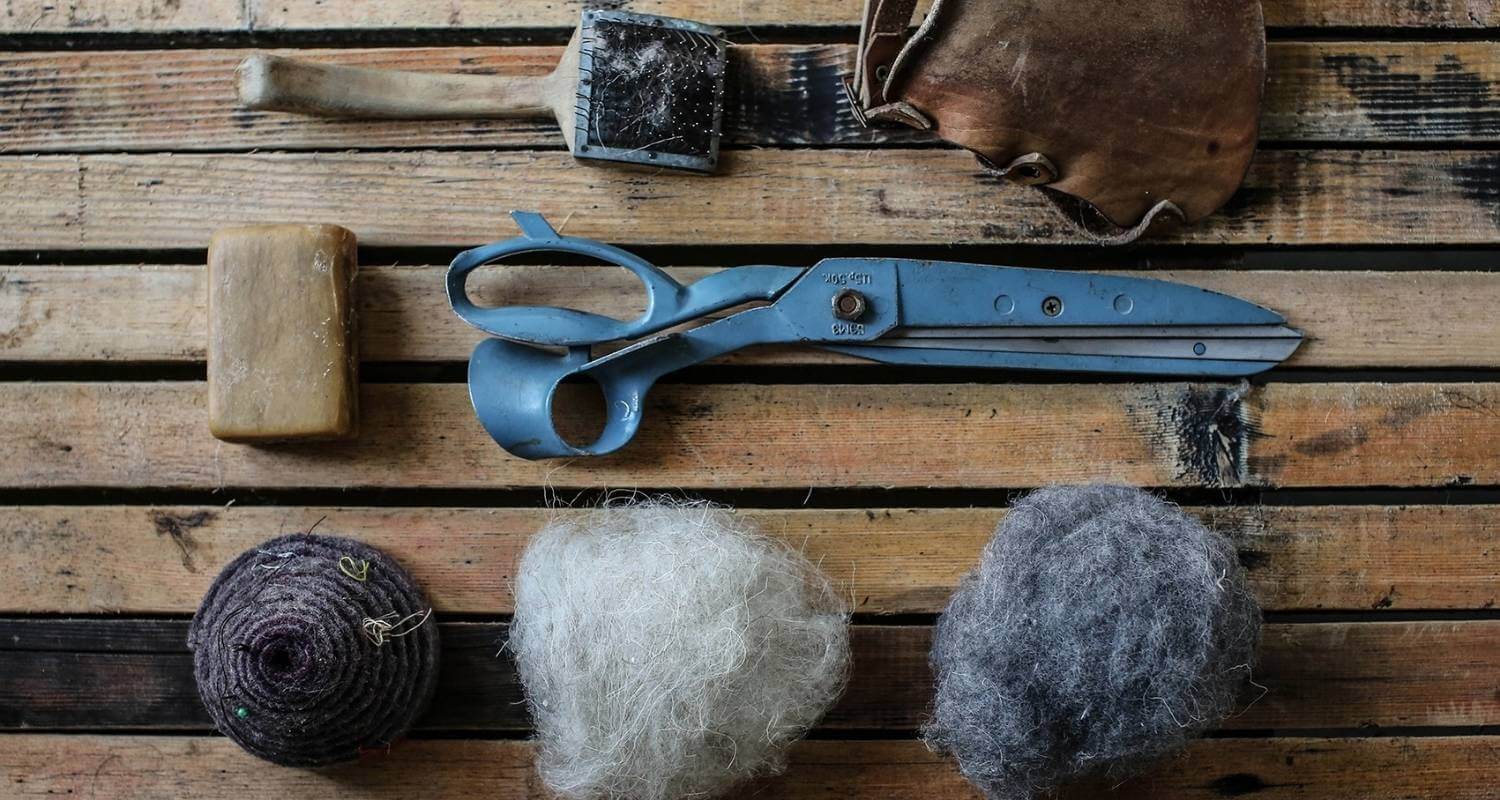
During the process known as carding, the wool fibers are processed into a uniform fleece. This fleece forms the basis for felting by hand.
The 'carding' process ensures that the wool fibers are aligned in parallel and removes impurities such as wool knots, grass, or hay. Due to the quantity of wool to be carded, the process is carried out mechanically in our production.
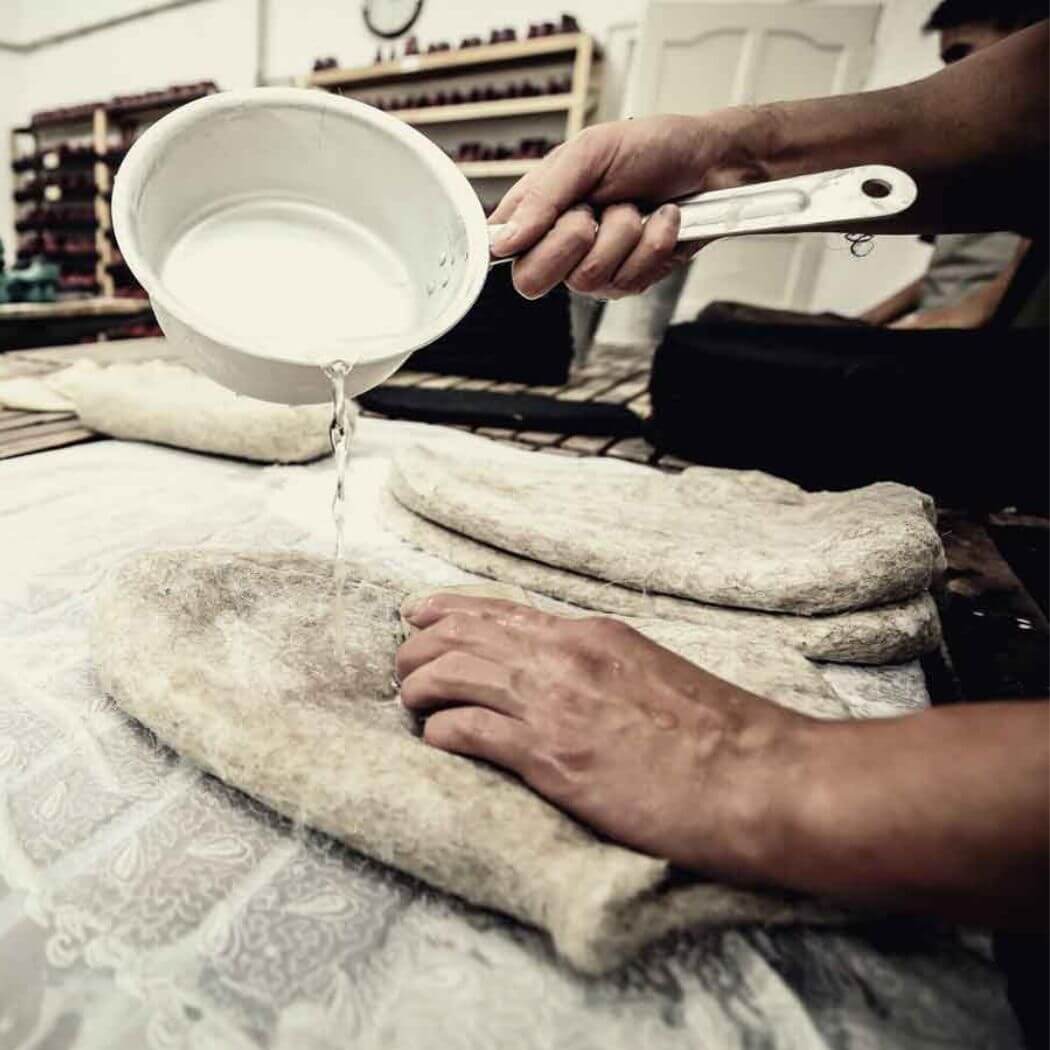
Felting a sock
Yes, you read that right.
Our seamlessly felted slippers begin their WoolFit existence in sock form.
Layer by layer, the cleaned and carded fleece is laid around a last
and shaped into the desired form with warm soapy water.
The thicker the layer becomes, the more firmly it can be felted. The pressure is gradually increased. This is the most elaborate part.
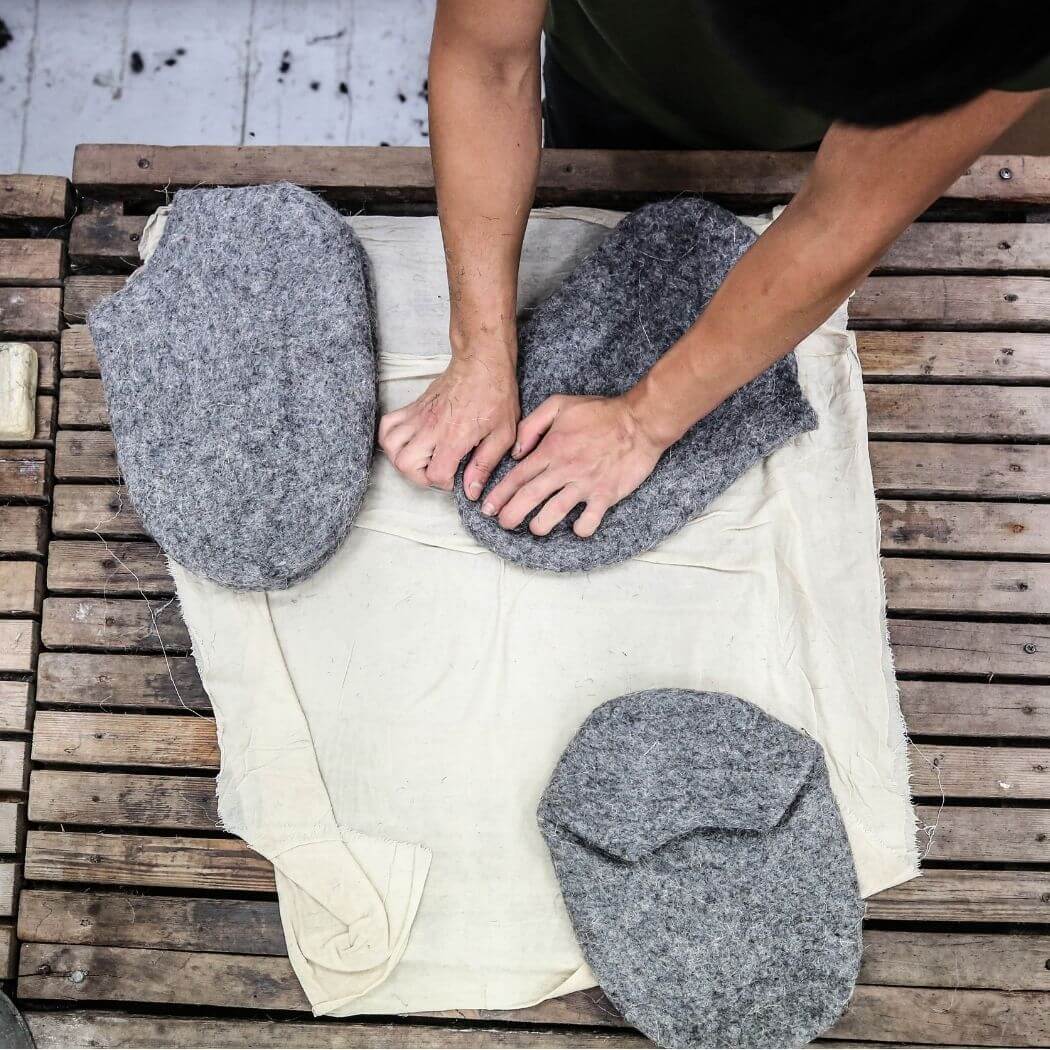
Knead, roll, rub
Now comes the strenuous part.
Each felt sock is subjected to hours of friction with considerable force, repeatedly. This causes the individual wool fibers to interlock with the help of the soapy water, solidifying the felt.
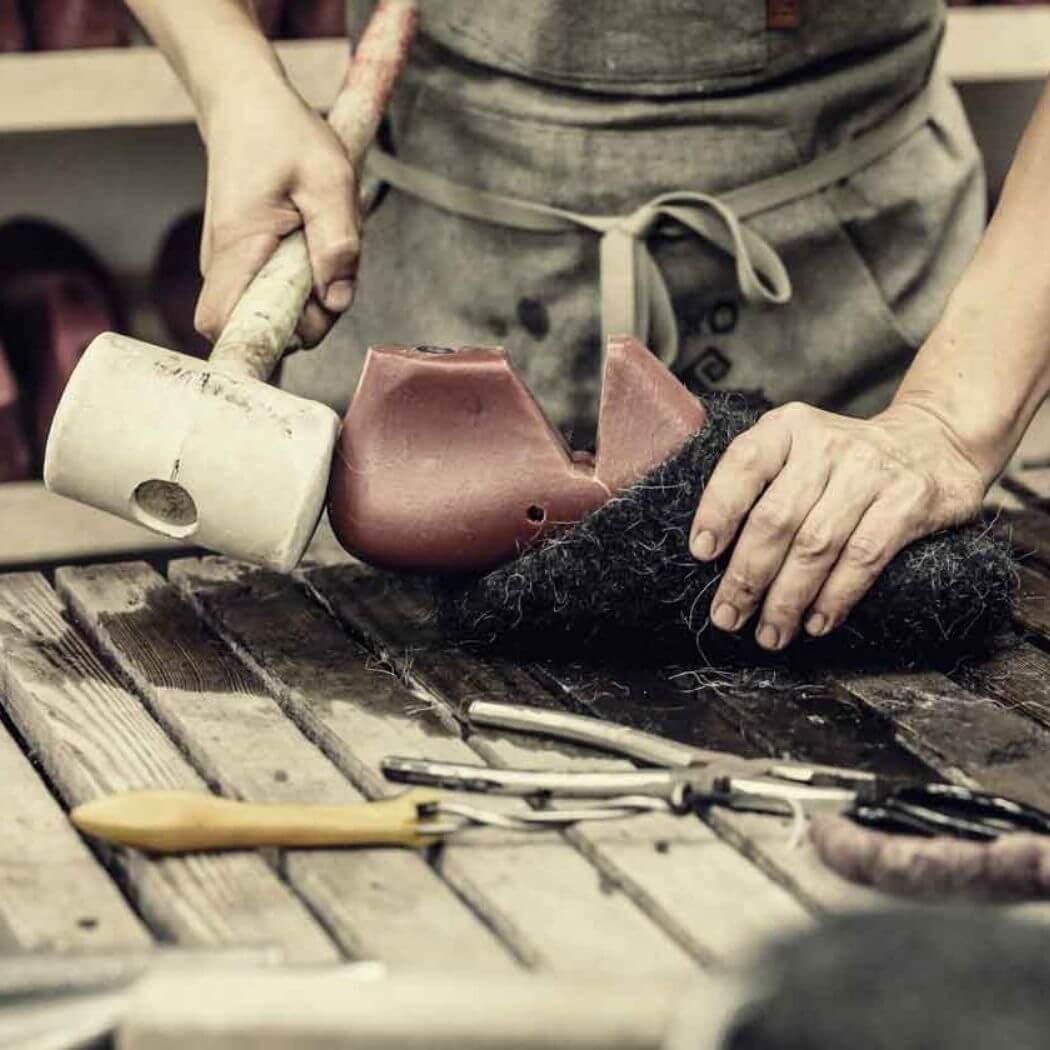
Listing
This is what gives the shoe its shape.
We use a specially designed, anatomically pre-formed last with a particularly foot-friendly shape.
Here you can see how a WoolFit Classic slipper is lasted. The felt is cut for the first time according to the desired shape.
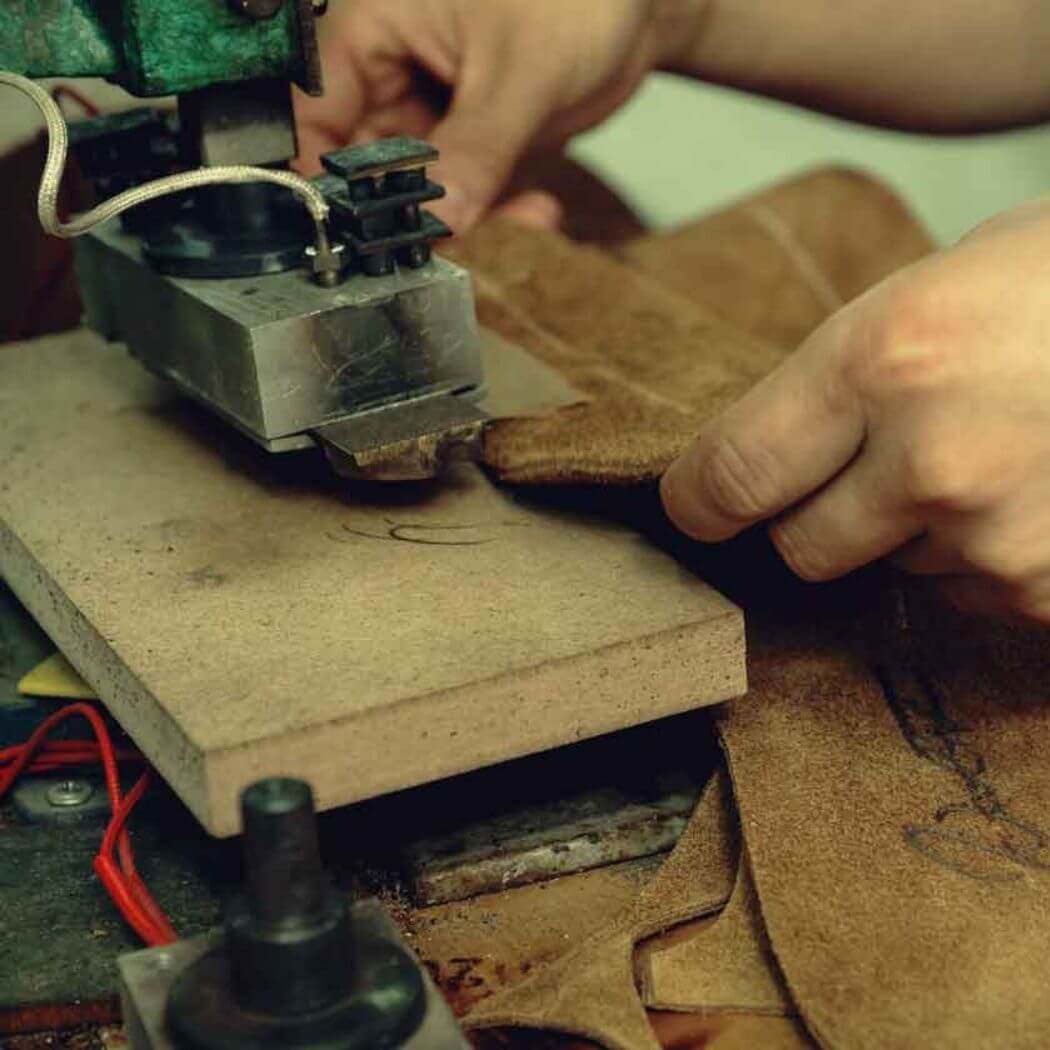
Cutting the sole to shape
We opted for a vegetable-tanned leather sole. This is produced sustainably as a by-product of the meat industry, without the use of chemicals.
This noble material is not only more environmentally friendly, but also offers good grip on all surfaces and simply feels extra comfortable.
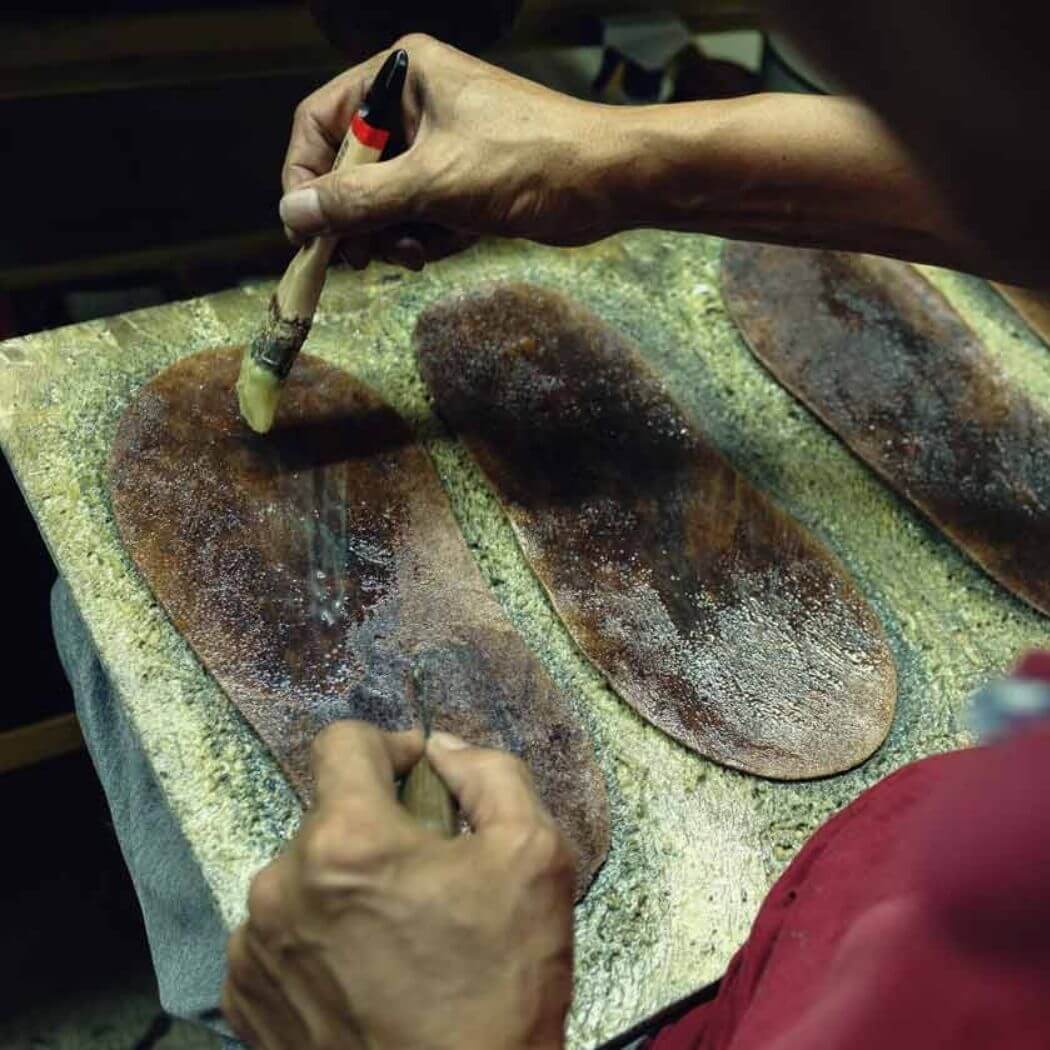
Attaching the sole
The soles are hand-painted with adhesive. We swear by the additional fixation of the sole with adhesive. Many manufacturers sew or glue the soles.
Our process offers significantly more security and longevity. The adhesive has a lot of power and ensures long durability.
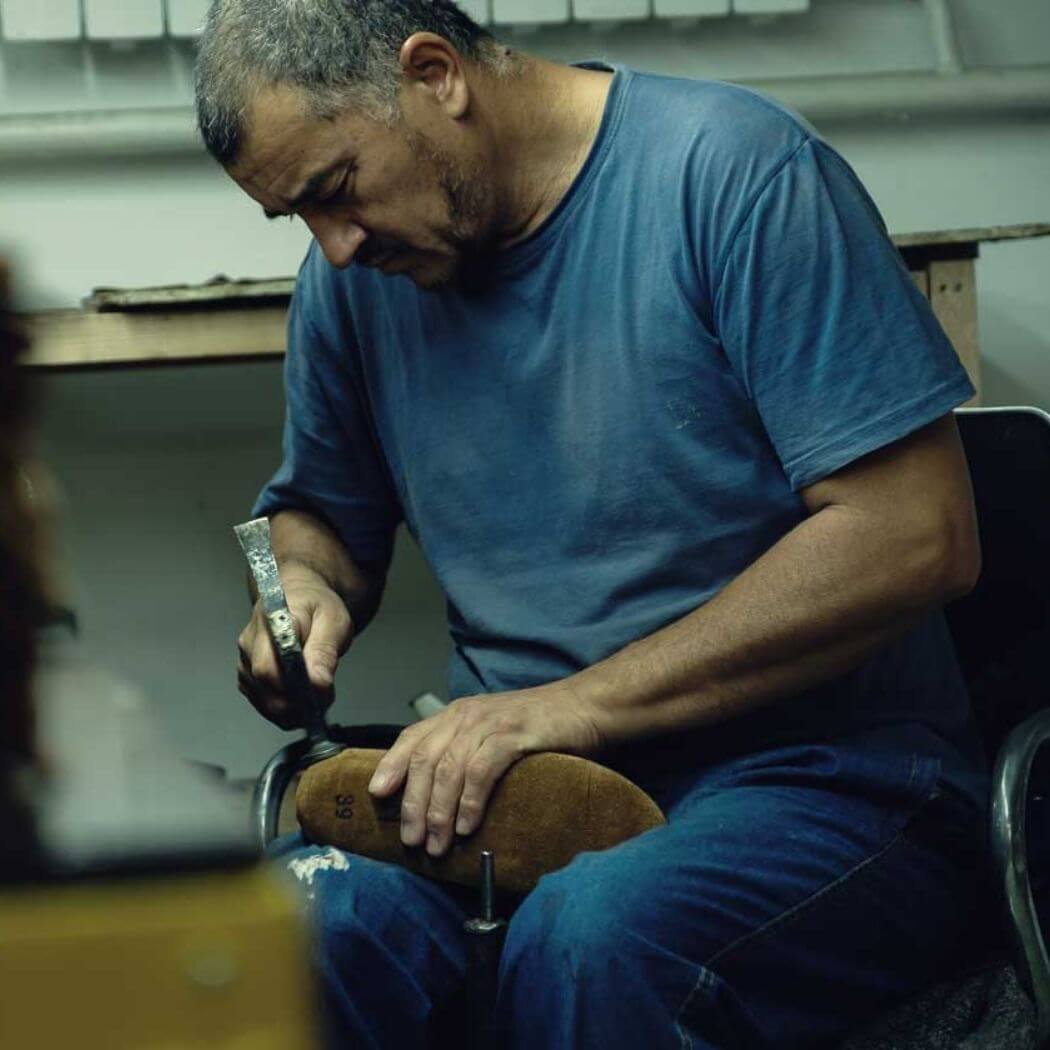
Attaching the sole
The shoe is resoled with great skill. It is important that no creases or air bubbles form.
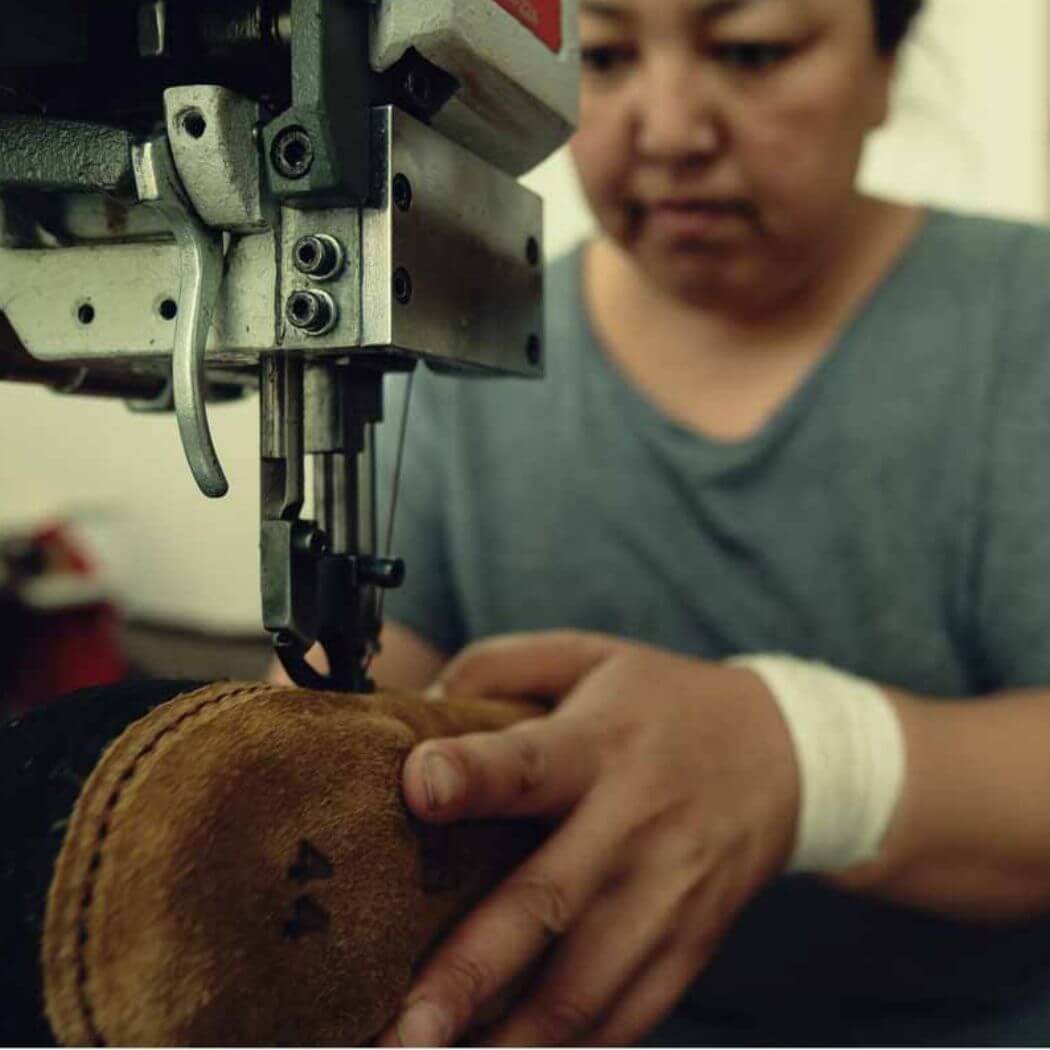
Two is better than one
Compared to other slipper manufacturers, we "go the extra mile" and additionally sew on the sole.
If the adhesive or seam should ever give way, the sole's hold is still secured.
Afterwards, the shoes are shorn with a wet razor to make them smoother and more attractive.
The WoolFit is ready
Now it still has to find its way to Germany.
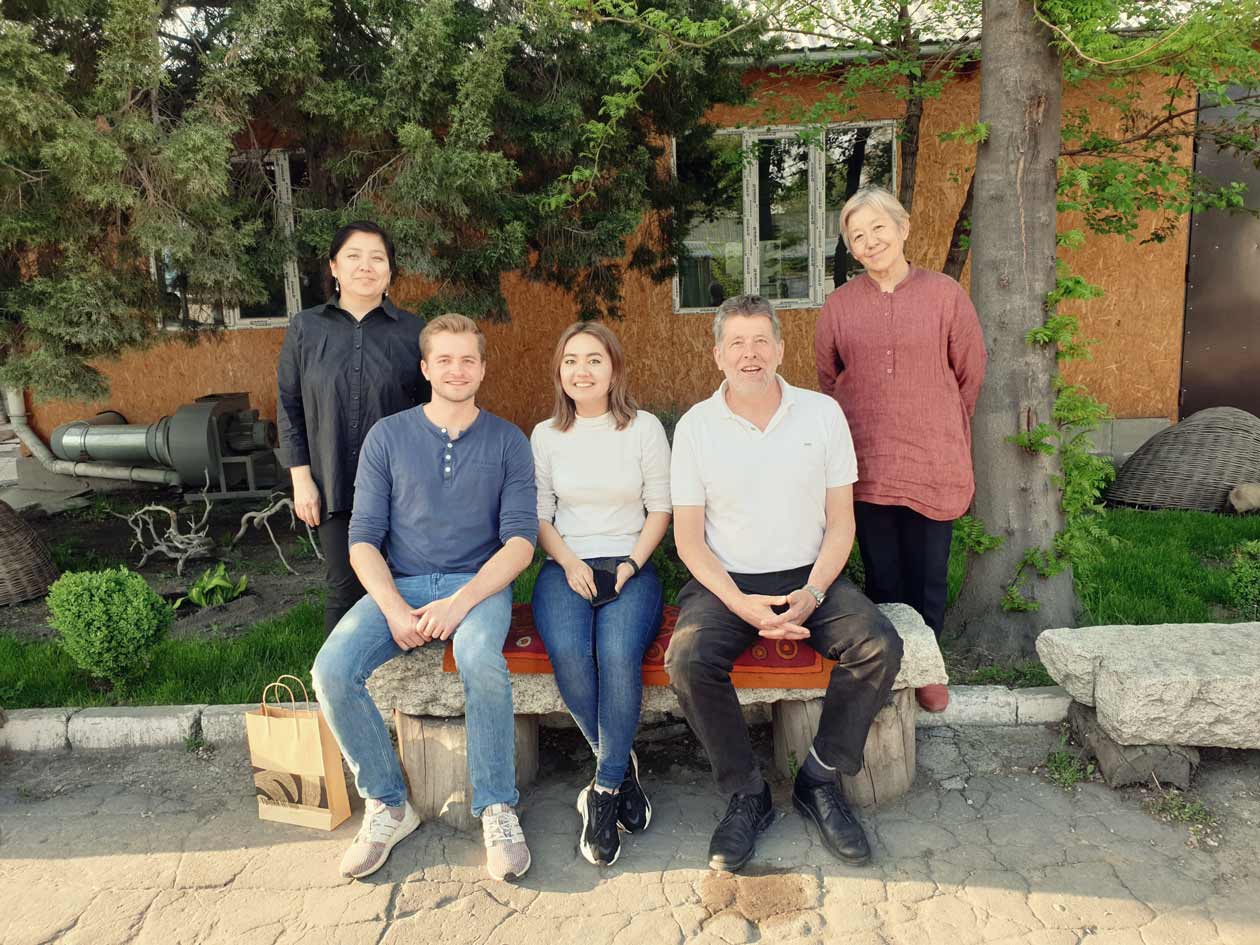
In this picture you can see the production managers in Kyrgyzstan, two true masters of felt art, with whom we developed our WoolFits.
Our translator Ekaterina (center) ensures that no misunderstandings arise.
We are truly very proud to have created a product that delights the feet and hearts of our customers. We are convinced that wool is the best material for slippers. Therefore, in choosing our partners, we deliberately opted for small manufacturers and art collectives that have committed themselves to developing unique products together with us.
We would be delighted if you would accompany us on this journey and tell others about us
Look around!
WoolFit Collections